A U.K. historian is on a quest to find and reclaim hundreds of miles of protected bike lanes built across his country in the early 20th century and then abandoned.
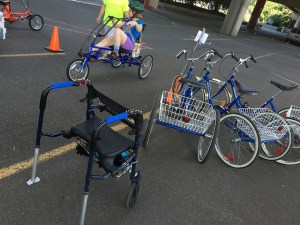
Riding a bicycle is too often thought of as an activity that's off-limits for many disabled people. And that has continued to be the case with the bike-share systems getting off the ground in several American cities, which provide standard bicycles meant for the able-bodied. But that's starting to change, thanks to a yearlong effort in Portland that's the first of its kind in the United States.
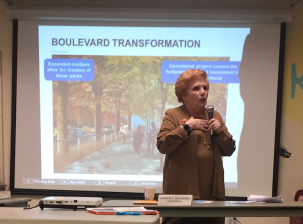
Last night, Queens Community Board 6 overwhelmingly endorsed DOT's plan to extend protected bike lanes, pedestrian safety improvements, and traffic-calming treatments on Queens Boulevard through Rego Park to Yellowstone Boulevard.
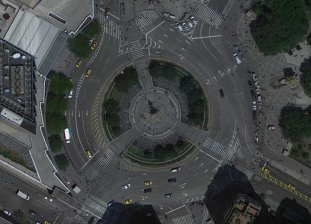
The Manhattan Community Board 7 transportation committee has passed a resolution calling on DOT to make Columbus Circle safe for biking and walking. The traffic circle at the southwest corner of Central Park is a critical point for people biking between the Upper West Side and Midtown, but it's a major void in the bike network.
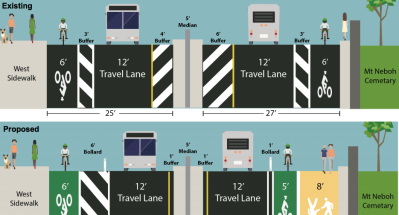
A dangerous street that connects Glendale to Ridgewood Reservoir, Highland Park, and two cemeteries is in line for traffic-calming and safer bike lanes thanks to a request from the local police precinct. Cypress Hills Street has a divided median and highway-like curves that do little to prevent motorists from speeding - it's an obstacle to good walking and biking access, despite its buffered bike lanes.
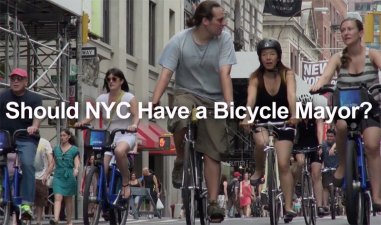
At Transportation Alternatives' Vision Zero Cities conference, I got to spend a few minutes chatting with Anna Luten about her role as Amsterdam's "bicycle mayor" -- a sort of ambassador, spokesperson, and inter-agency operative for bicycling in her city. I wondered if we could do the same in NYC.